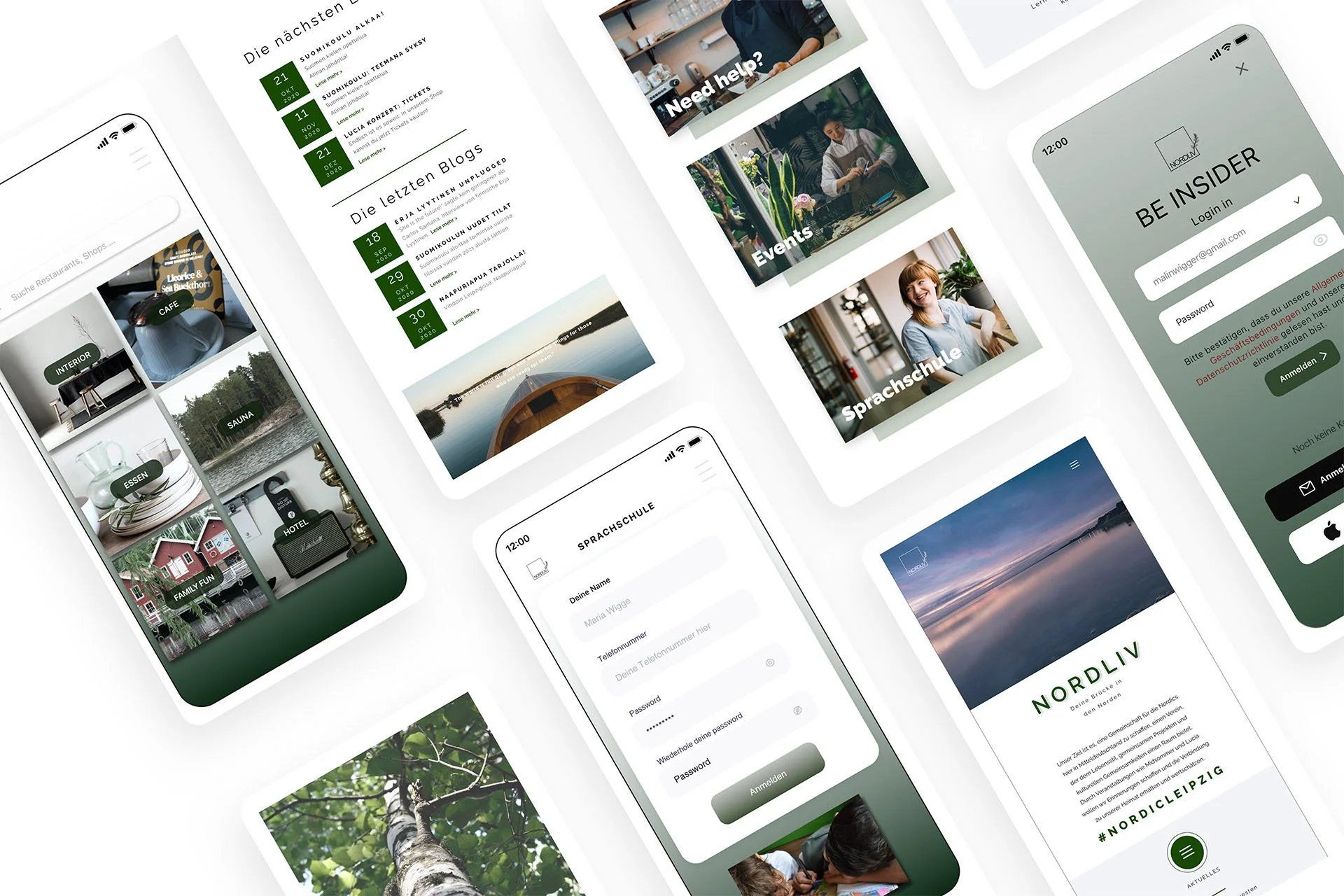
Nordliv - your bridge to North.
Most of us view technology as something that makes things easier. For many people living abroad however, technology makes things possible. This is my story of designing ‘Nordliv´— a webapp that empowers Nordliv Association to provide community, support and expertise on practical matters to Finns, Swedes and other Nordic expatriate living in Leipzig, Germany.
Service design | Conceptualization | UX/UI-design | User interviews | Usability testing
-
Busy Expatriate moving or living in Leipzig, Germany lack the time or ability to find other nordic´s in the Leipzig Area and be part of the community.
This project involved designing the Nordliv website and envisioning how we could use the web to transform service delivery to Finns, Swedes and other Nordics living in Germany, especially in Leipzig area. With a 4-month timeline we focused on delivering the Nordliv´s expertice and knowledge to NORDICs in a more effective and meaningful way.
-
Although our brief was to develop better functionality than our client’s competitors, we stressed that engaging in a feature parity war was neither strategic, nor had the best interests of the app’s users at heart.
To differentiate ourselves in an already mature and competitive market, we needed to define a desirable role for the app and how it would meet the needs of the scheme’s users. We were thrilled by the opportunity to create something more meaningful.
-
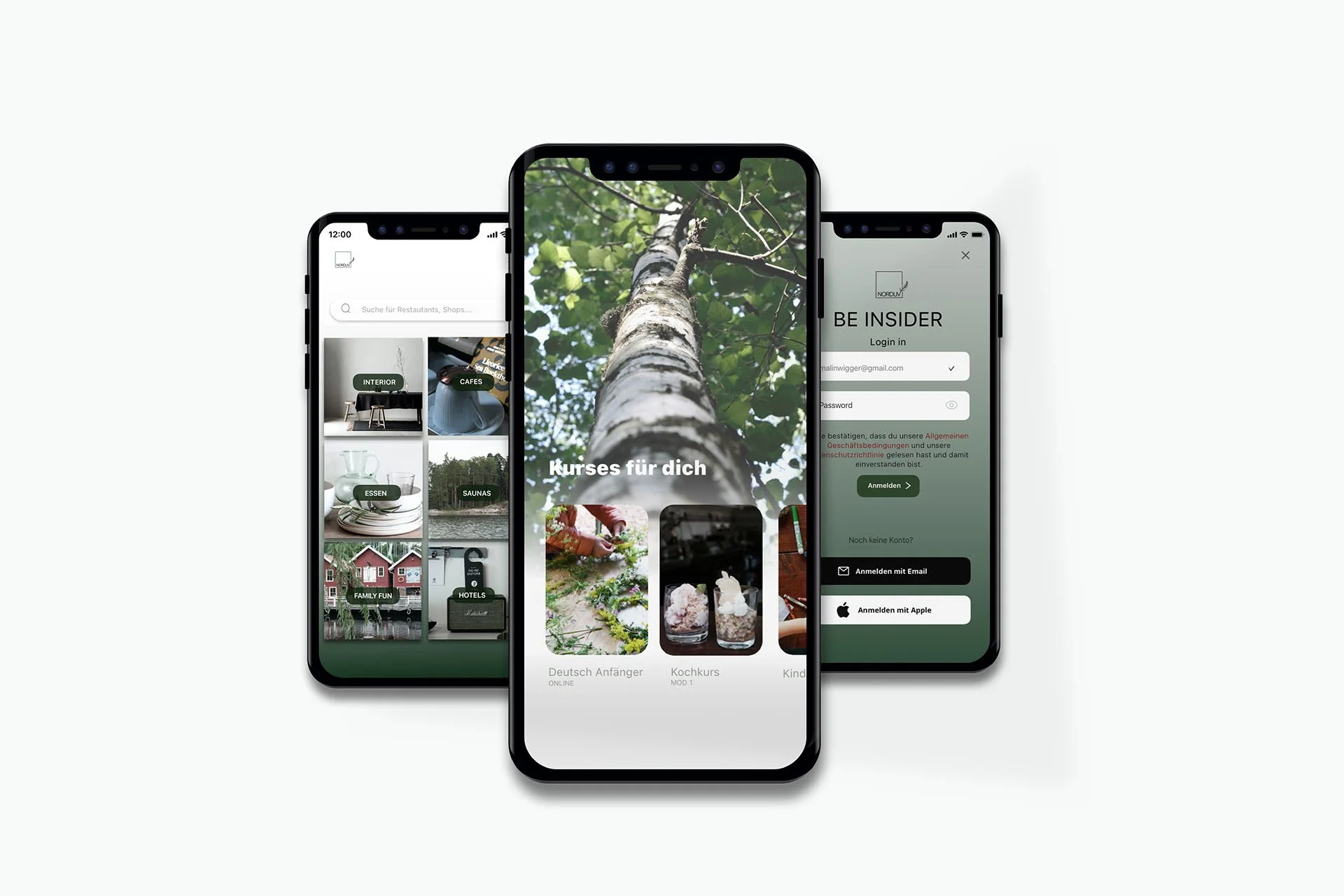
web-based interface that empowers Nordic expartiate in finding support with the repatriation process to Leipzig, Germany; networking and expertise to multilingual communication. Users can find current events related to Scandinavian culture, new restaurants, shows and also search for job opportunities through cooperation partners. Through interface user can also take language courses and be part of a community that is often missing when the rest of the family stays at homecountry.
DISCOVERY
EXPARTIATE NEED MORE THAN JUST INFO
The discovery phase was a quick, high‐intensity effort that allowed us to define project milestones, audit the existing work, review the competitor landscape, understand our client’s vision, and begin research into user needs, behaviours and pain‐points. We also kicked off a technical discovery phase to understand feasibility and constraints.
Insights from our discovery work indicated many areas where a web-based solution could help to improve the day-to-day lives of Expartiates. We discovered that whilst information was essential, it was only one dimension in providing effective support for users. If we truly wanted to make a difference to the lives of Nordics living in (Leipzig) Germany, we needed to provide a more holistic solution that considered our users needs relating to support with the repatriation process to Germany, access to resources for educational and professional development, professional support and networking. These insights began pointing to a web-based solution with the Nordliv plattform at the core.
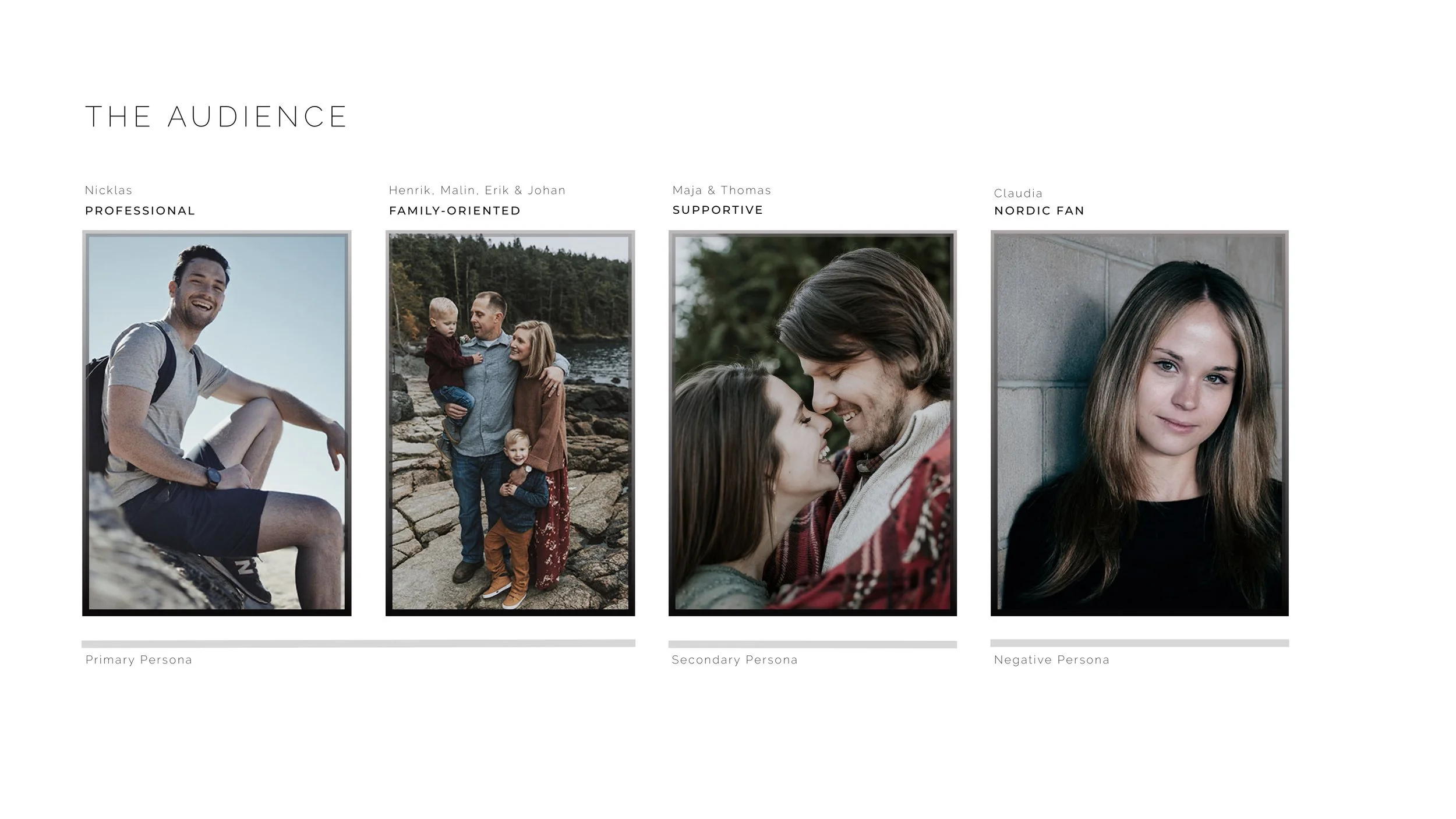
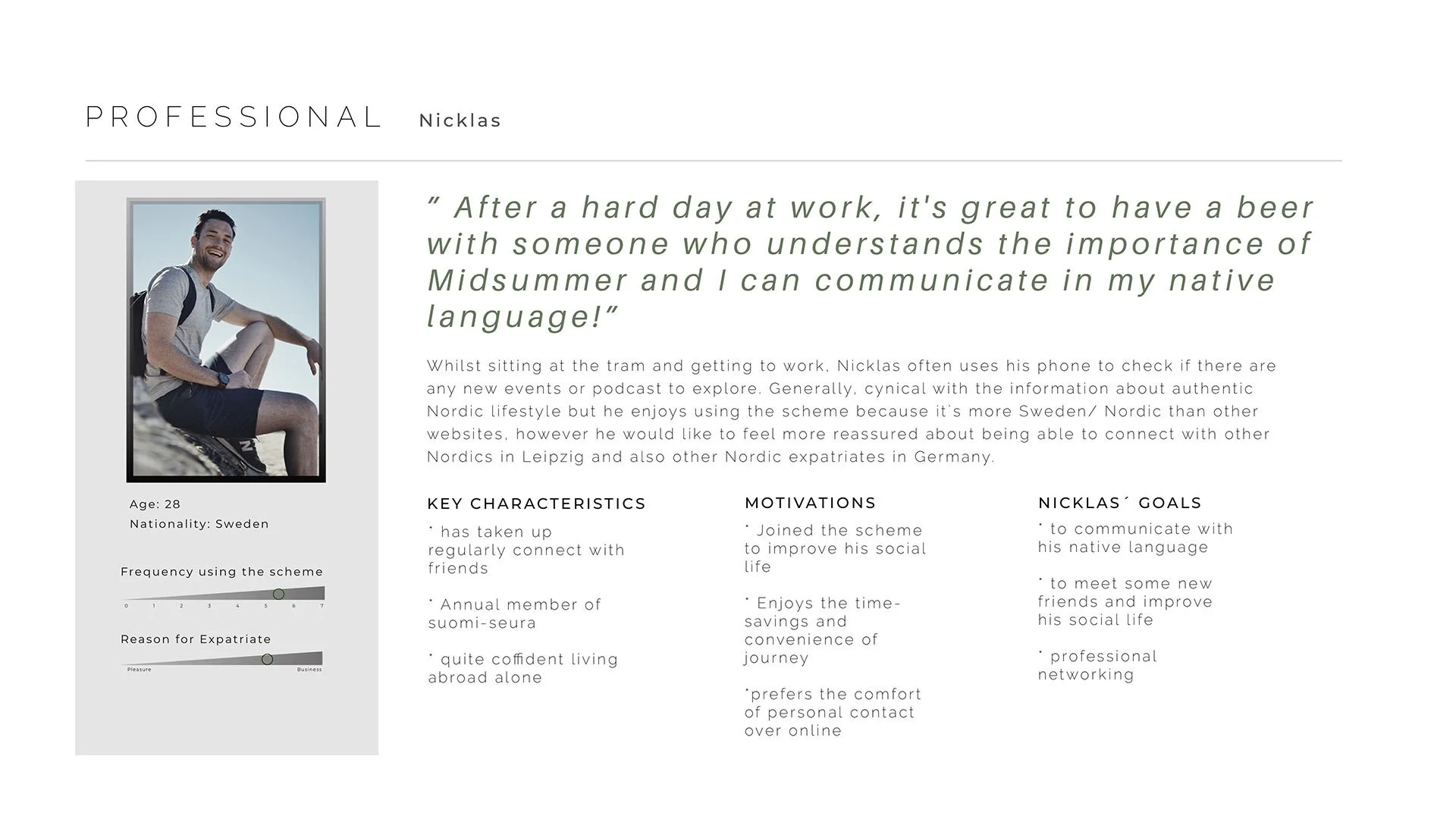
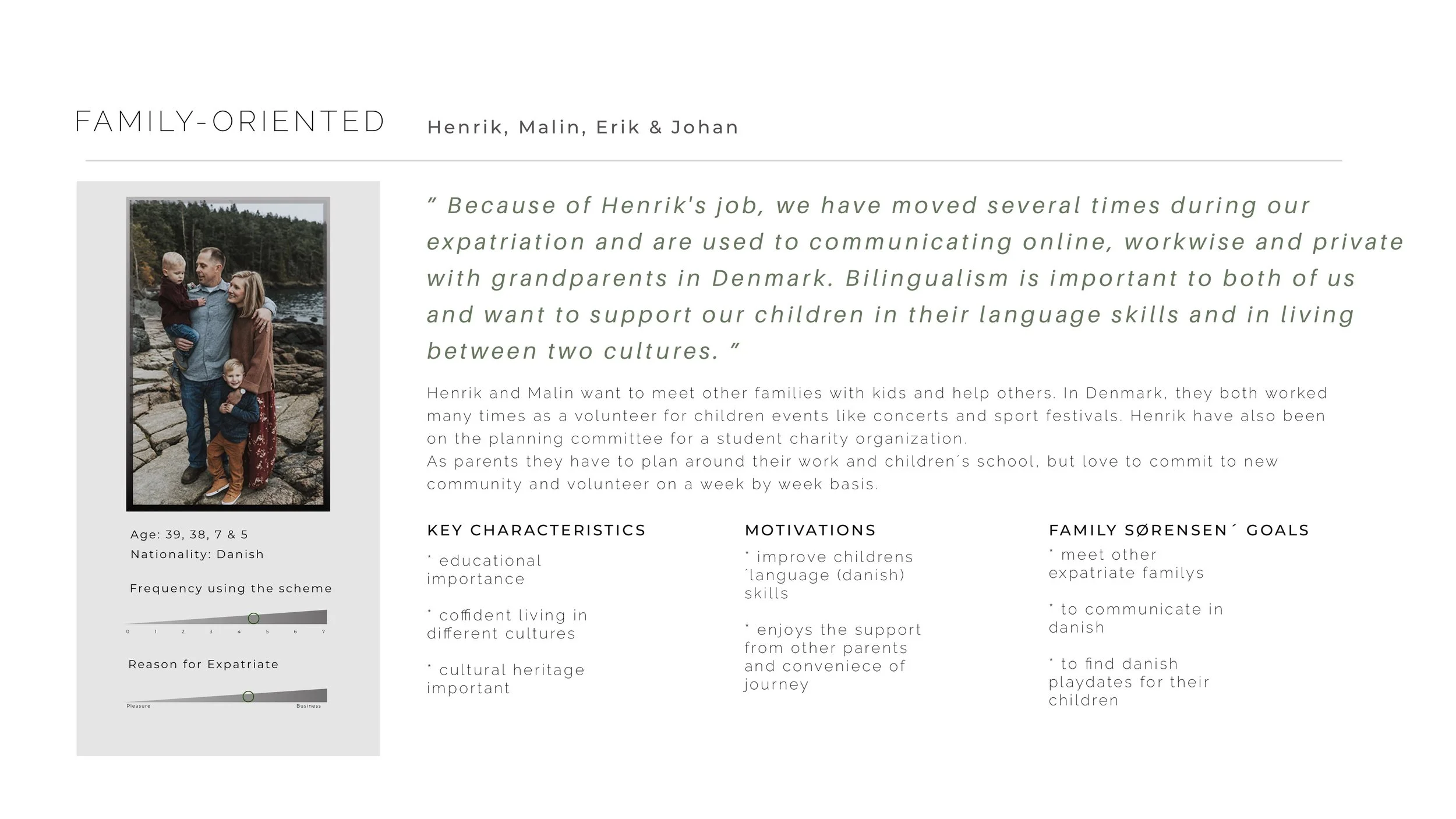
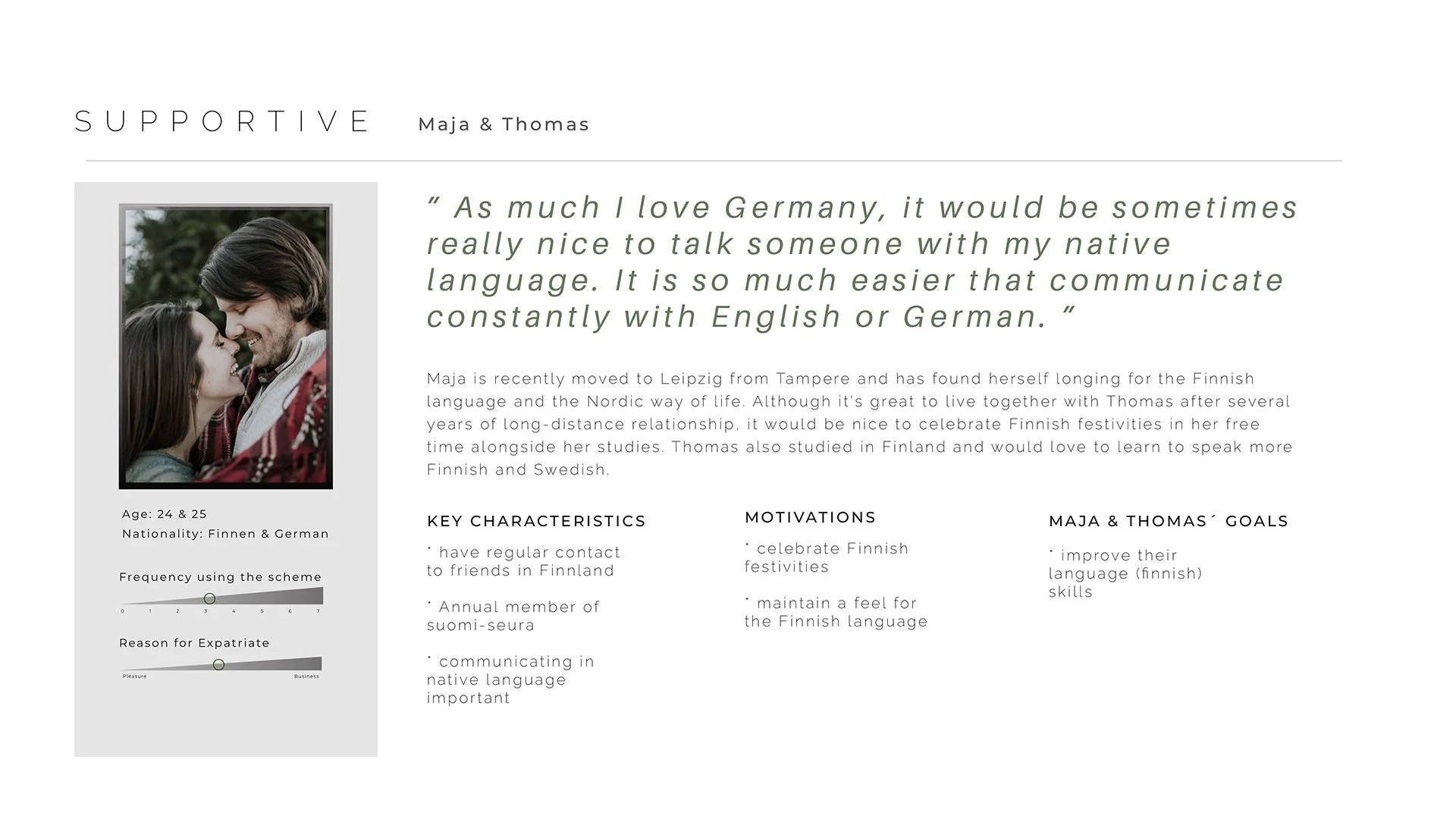
After designating persona types and aligning this with our phasing strategy we were able to prioritise who we would be focusing on supporting in the early stages. The phase 1 webapp focused on supporting the goals of Family Sørensen and Nicklas, our primary personas. We planned for later phases to support Maja & Thomas and Claudia.
We used personas constantly throughout the project to guide design decisions, priorities, and create empathy amongst the client and our team.
REQUIREMENTS
THINKING BIG, STARTING SMALL
Synthesising goals from our research served as a lens through which we could consider not only what the app should do, but also how it should feel. We believed this would be the difference between delivering a good experience and a great one. Thinking about emotional design early on helped our client understand the importance of aesthetics and tone of voice to the experience.
Although our vision was to create an environment for a community of Nordics in Germany and in Leipzig Area, we discovered that there were too many obstacles that impacted our development timelines to tackle the problem.
Our research highlighted that it was critical for our design to be pragmatic and sensitive to the ways in what light we present living abroad or the relationship of Nordic people with Germany. We knew that if our solution required heavy time investment from Nordics or from the cooperation partners and it didn’t provide an easily perceived tangible benefit, it would fail.
Subsequently, we sharpened our focus to assist Nordics in Leipzig Area: access support about living as foreigner in Leipzig in more effective ways, better connection as interface to extern Partners and continue learning through educational media content.
" We knew that if our solution
required heavy time investment from users or didn't provide an easily perceived tangible benefit, it would fail. "
Technical requirements
Many Nordics arriving in Germany for the first time only have a prepaid phone and not necessarily a fast internet connection. For our audience we needed to develop a solution that worked effectively on low-bandwidth connections. We embraced these constraints from the outset and opted to strive for a simpler and accessible solution.
Storytelling about Ideal Experiences
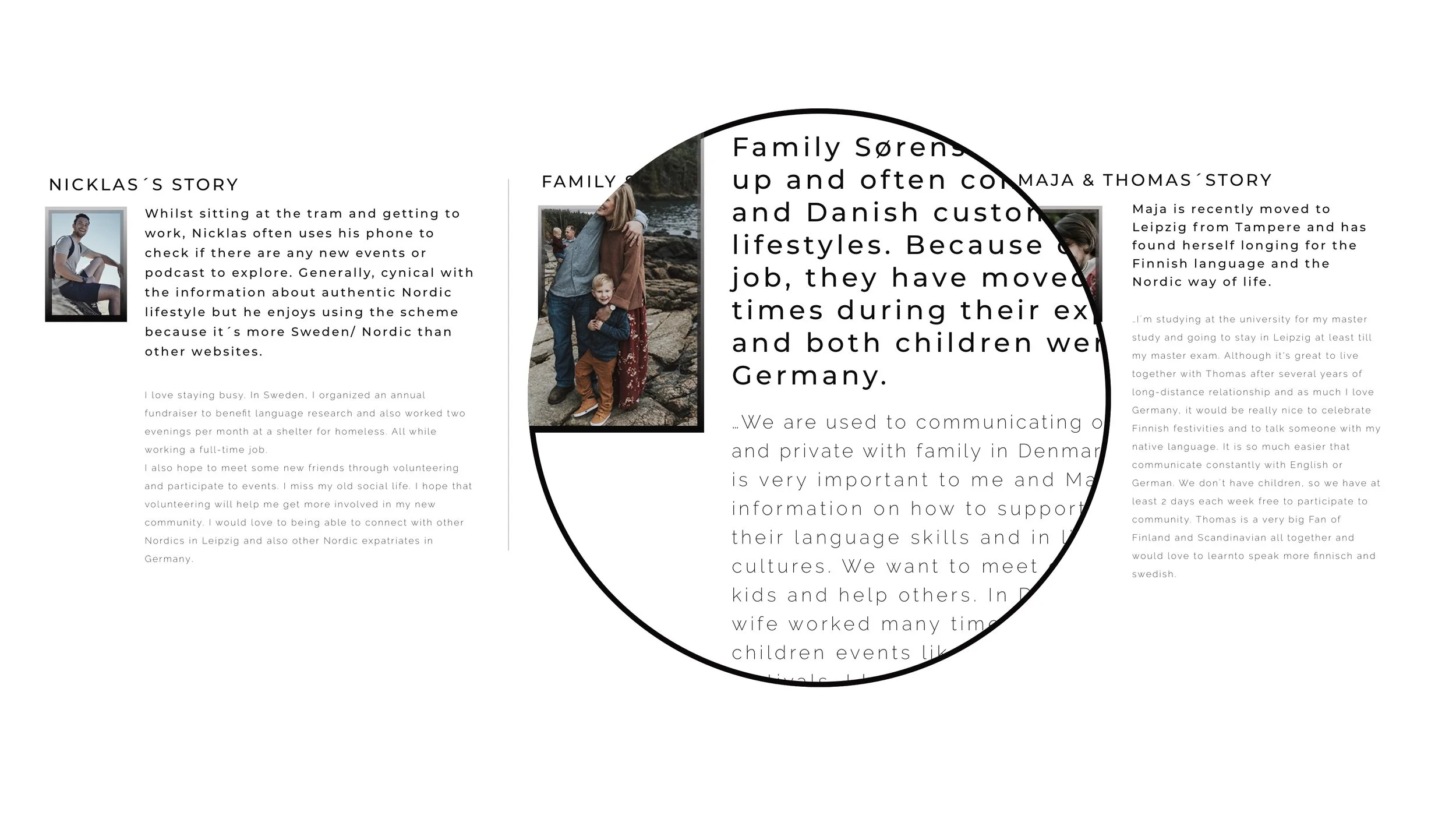
Knowing who exactly I was designing for allowed me to ask myself how the app fits into the lives of the users. I imagined ideal experiences and focused on how our personas think and behave rather than getting into specifics about interfaces, technologies or business goals.
Keeping the scenarios at a high‐level allowed us to work fluidly and explore concepts that we could easily communicate with our team and client. They formed the backbone of our requirements, and allowed us to express these from both a functional and emotional perspective allowing for further empathy with our users.
FRAMEWORK
STRUCTURING CONTENT FIRST
Before starting any design, we spent a great deal of time making sense of taskflows and existing content. This involved a tonne of task analysis and content sorting work. We faced particular challenges with labelling and terminology as we realised how much language varied between Scandinavian nationalitys and older and younger generations of expartisiens. Mapping out the taskflows was also challenging as living abroad involves many different touch‑points with many different people. Adopting a numbering system early was beneficial helping our team stay in sync.
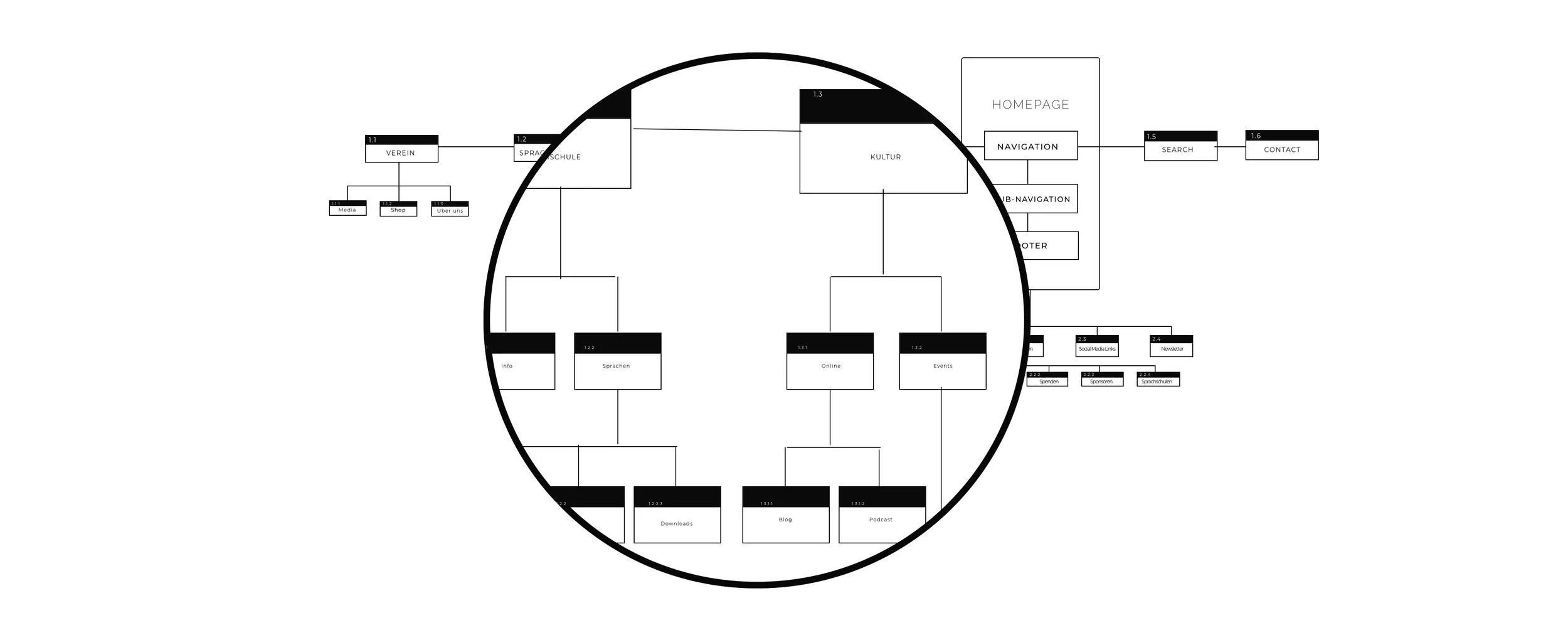
" We faced particular challenges with labelling
and terminology as we realised how much
language varied betweenScandinavian nationalitys
and older and younger generations of expartisiens."
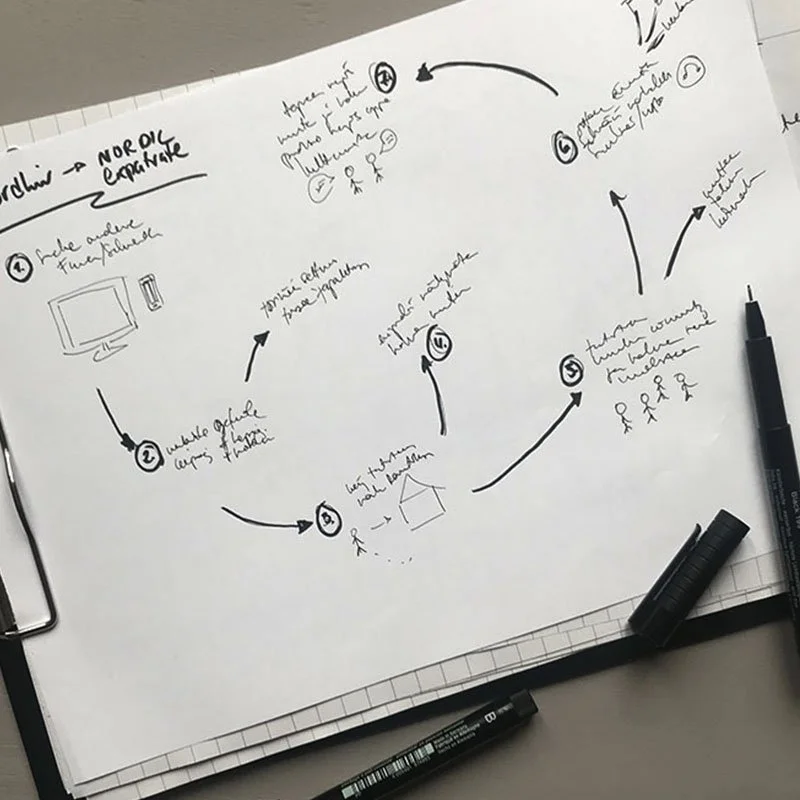
VISUAL THINKING ON PAPER
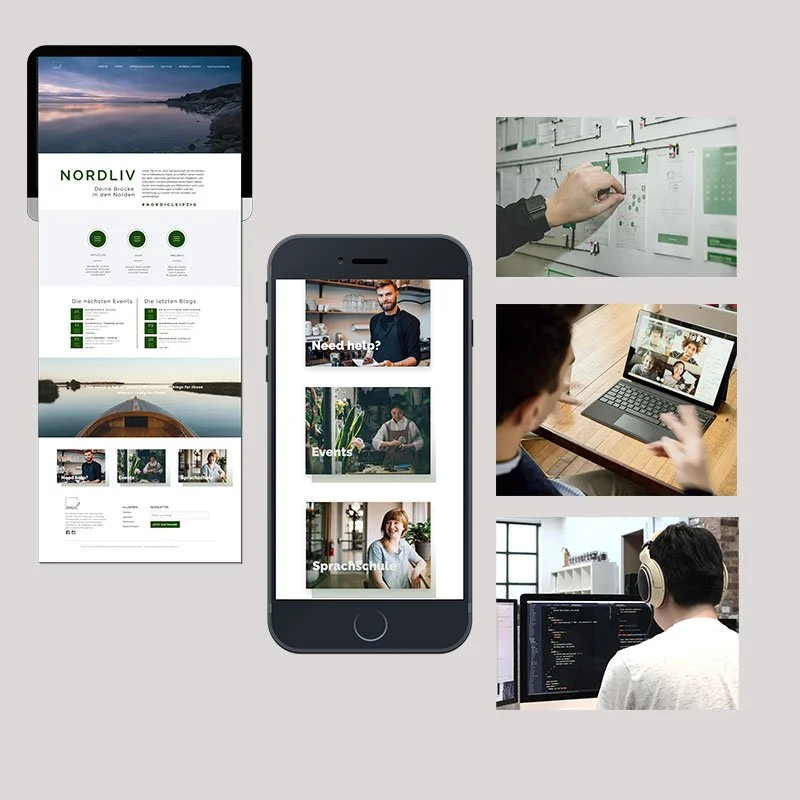
In order to help understand many of the complex processes involved in choosing and prescribing Nordic expatriate, I mapped taskflows on paper. Doing so helped me to understand the particular points where our system could help minimise some of the pain Nordics experienced as well as highlight opportunities where we could really try to innovate. Sketching many concepts helped me form a broader view of the system earlier ensuring a more cohesive design.
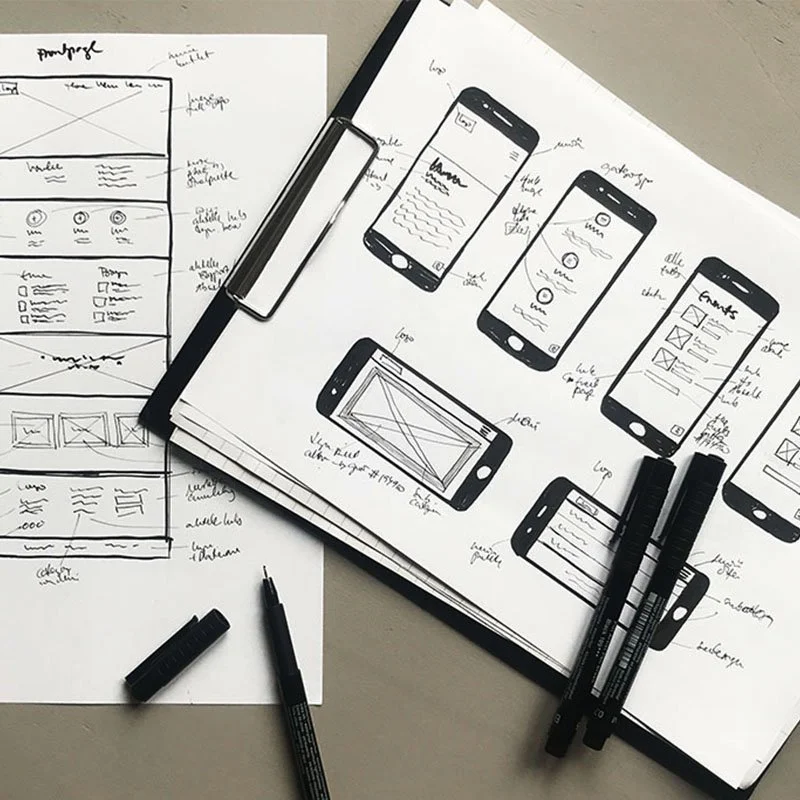
SKETCHING INTERFACES
Instead of wireframing, I opted to sketch my designs on paper. I used paper prototyping techniques to bring the designs to life and evaluate them with our users. This helped me work rapidly and led me to consider more ideas. With paper prototype, I could test early design ideas at an extremely low cost. Doing so let me fix usability problems before waste money implementing something that doesn´t work.
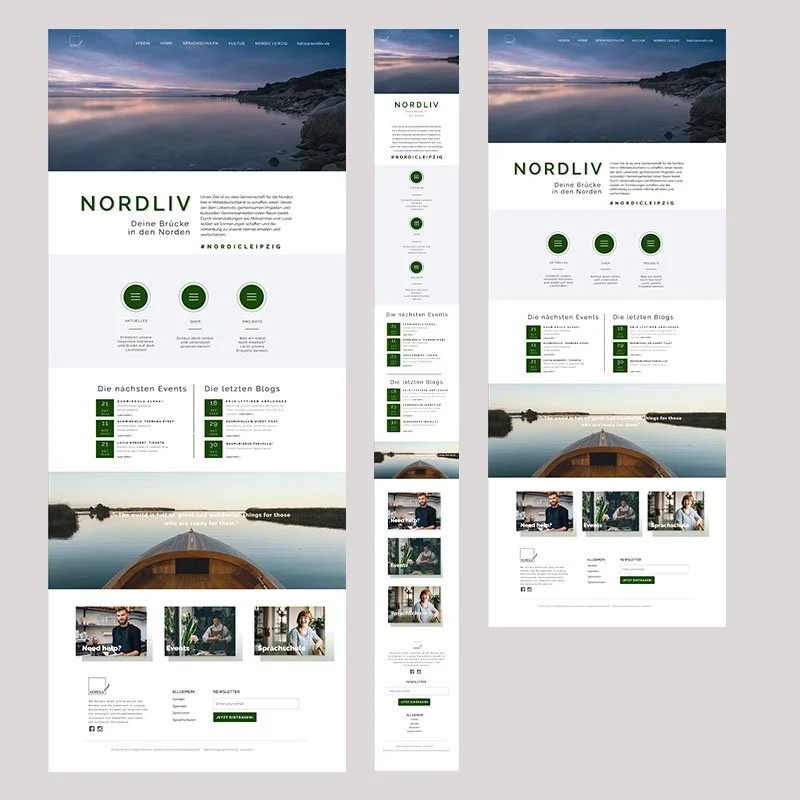
HI-FIDELITY MOCKUPS
To move forward with the design, I used Figma to create sets of detailed mockups. This approach was beneficial in showing our client design progress more specific but was too time consuming to iterate at the pace required. In retrospect, lo-fi wireframes would have been more effective approach.
PROTOTYPING & USABILITY TESTING
I worked closely with our developer Ronny to bring our designs to life as a working prototype. Communicating requirements face-to-face and discussing constraints and possibilities was an effective way of solving the Interaction Design. We also focused to define tasks, establish objectives and evaluate the webapp. To ensure the test was realistic, we opted to use a real build of the application. However, this revealed how functionally unstable the app was. Between the times spent recovering from bugs and app crashes we were able to find usability issues related to perceived affordances, layout and search.
DETAILED DESIGN
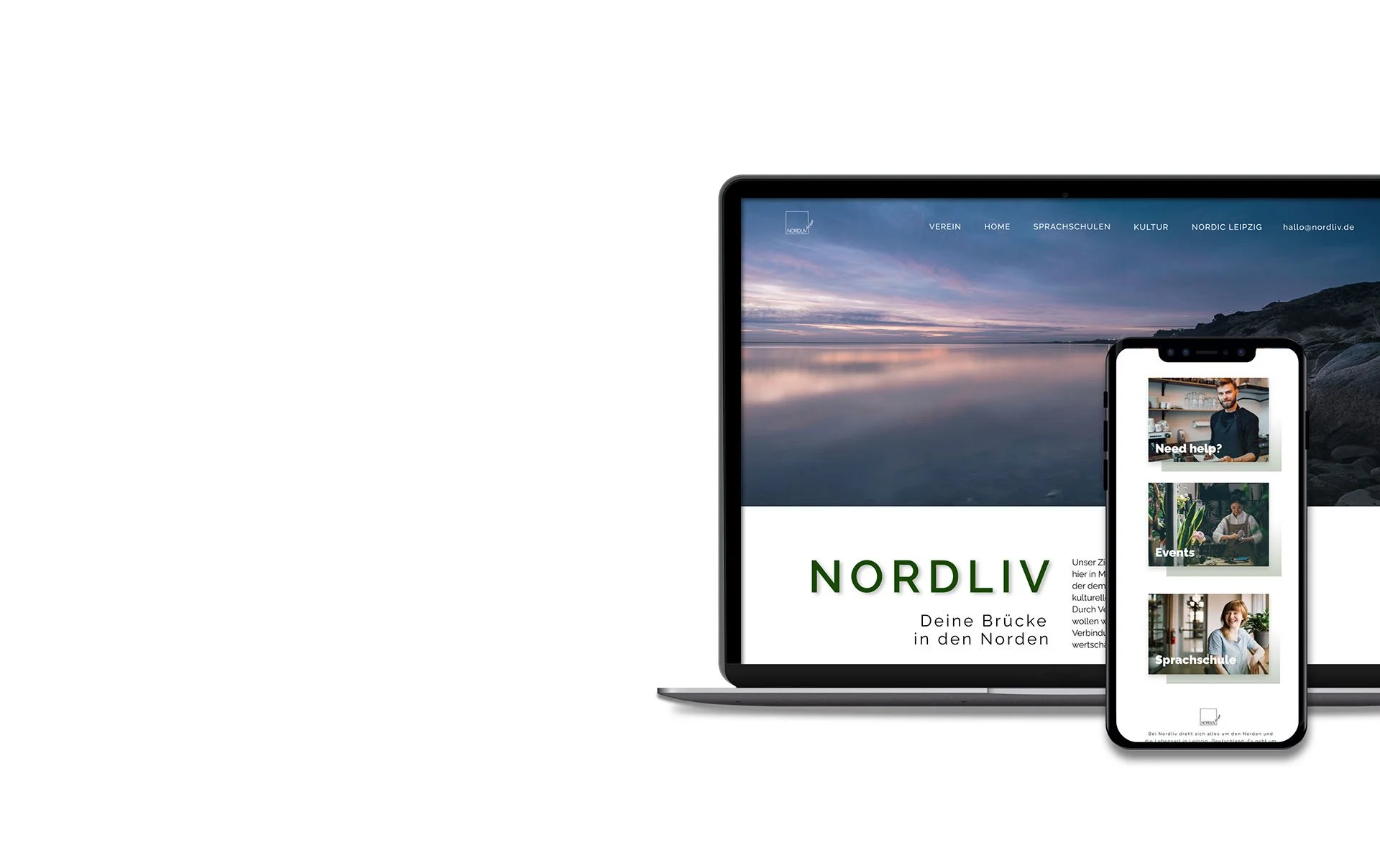
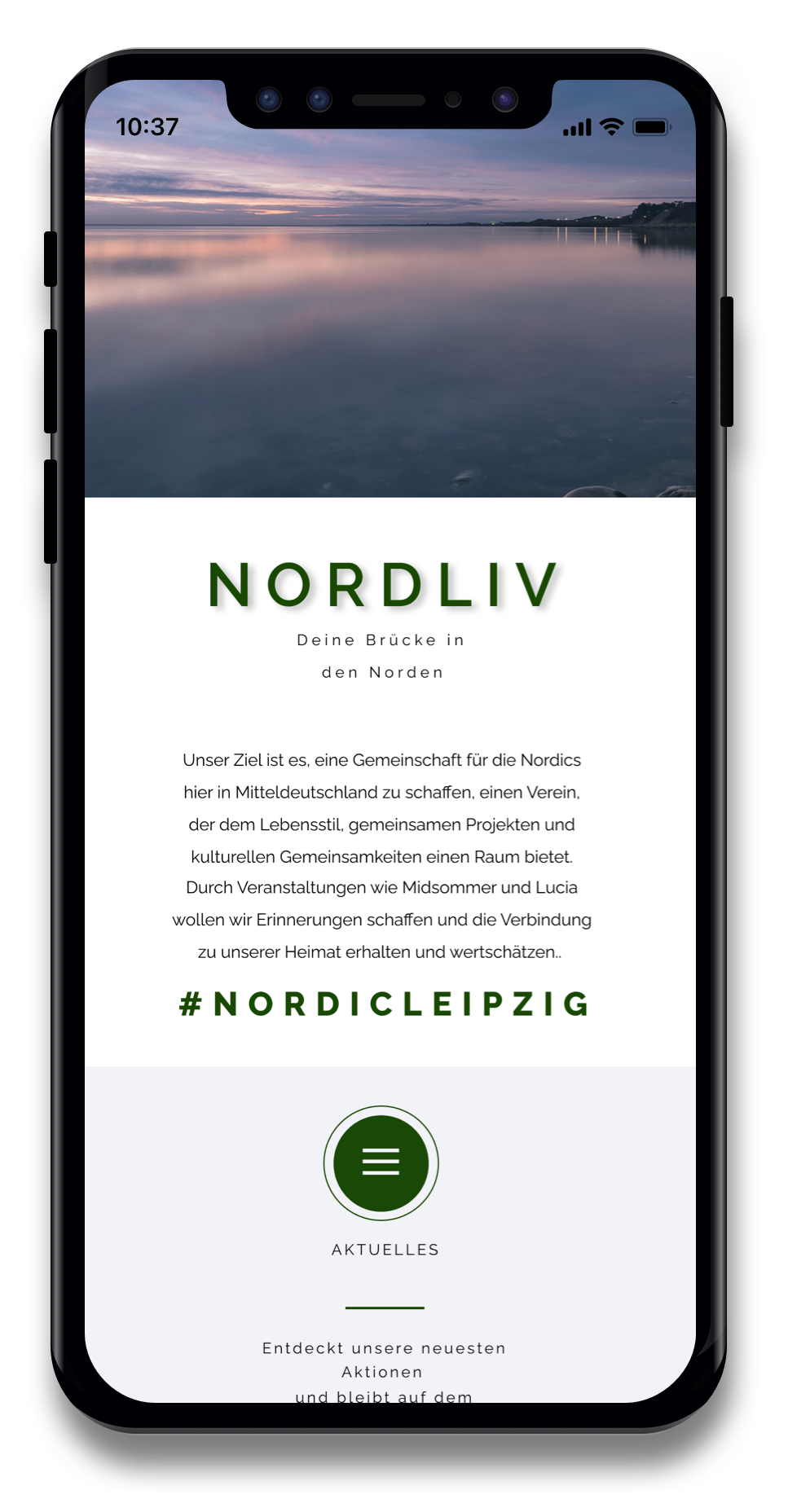
INTRODUCING NORDLIV - your bridge to North
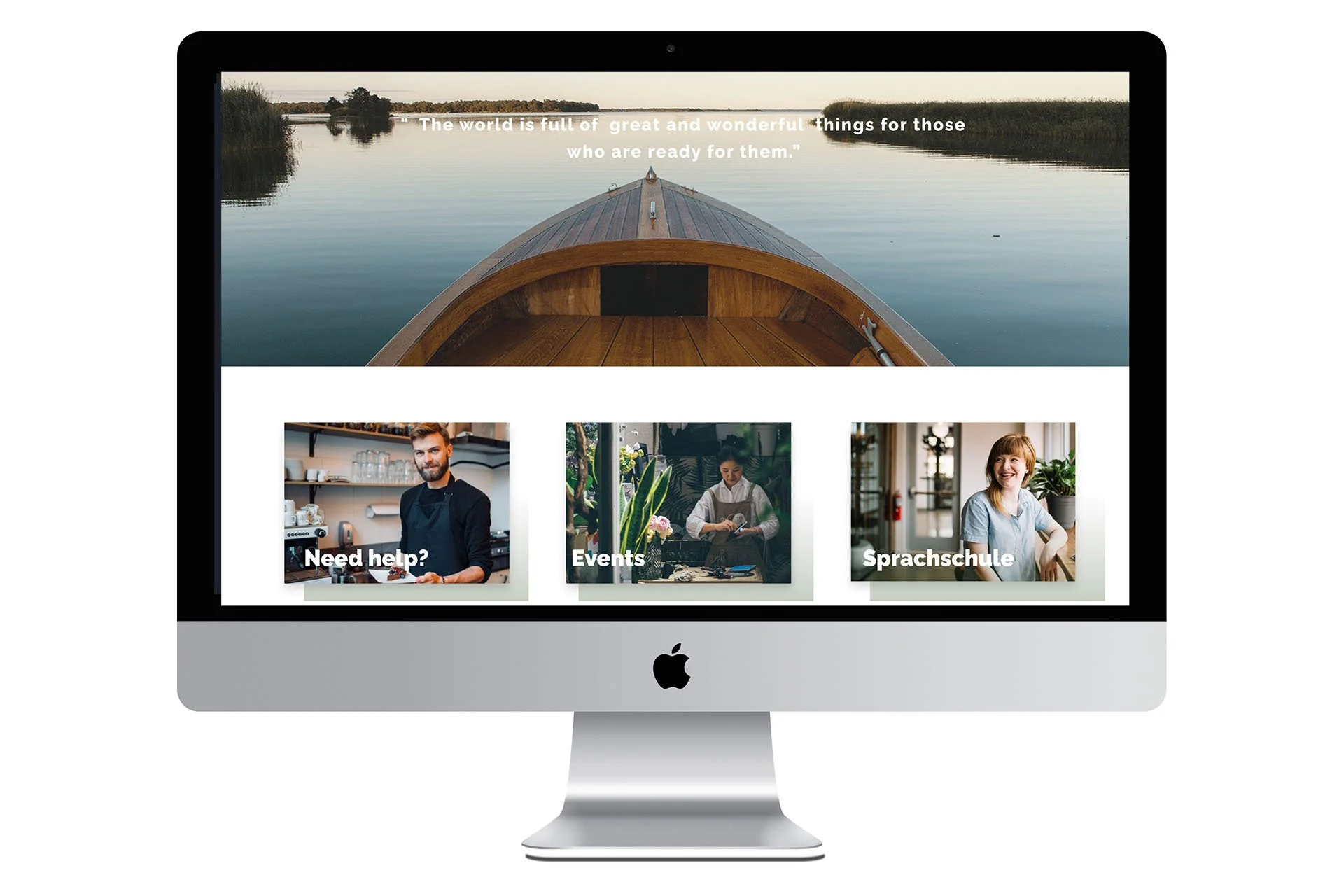
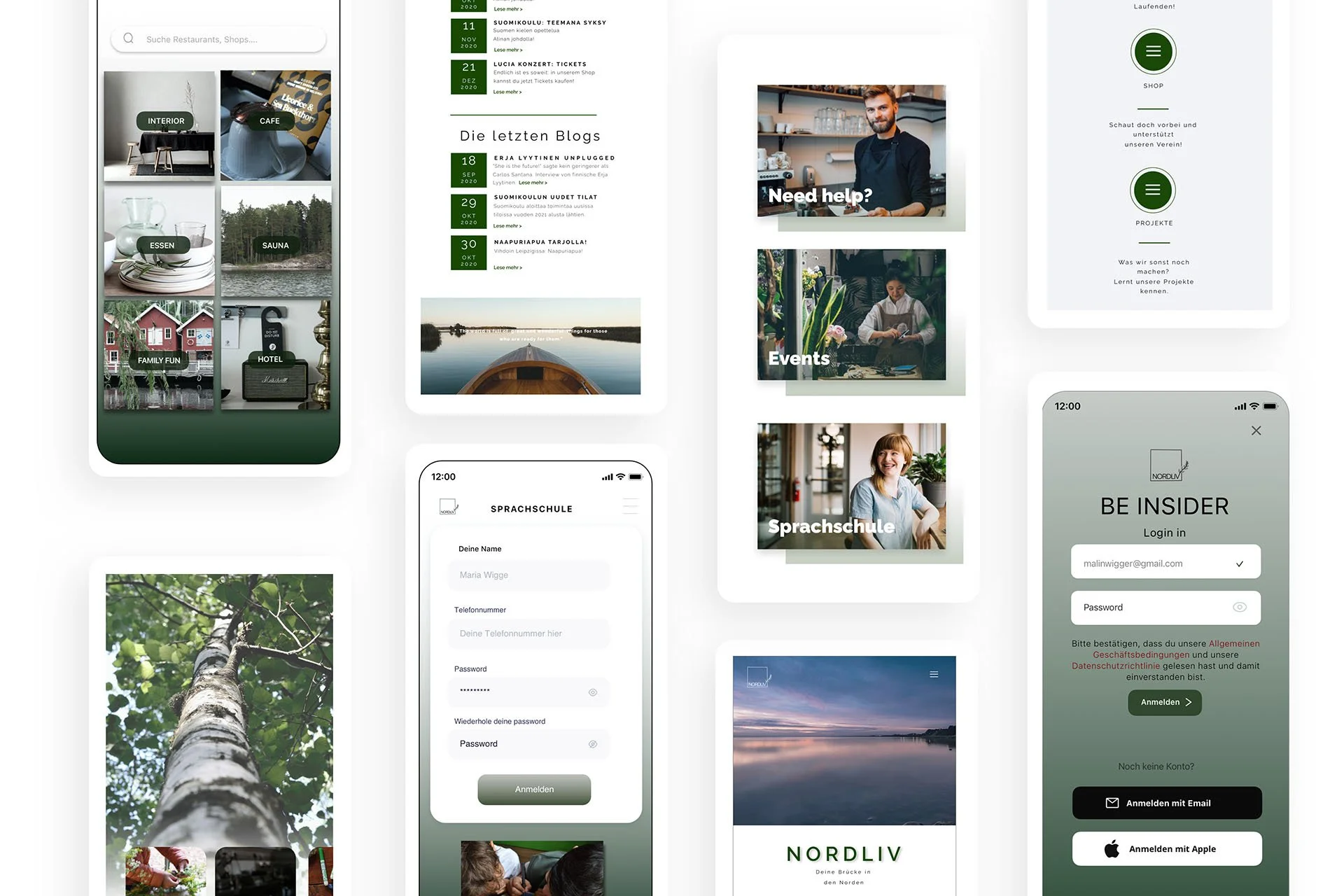
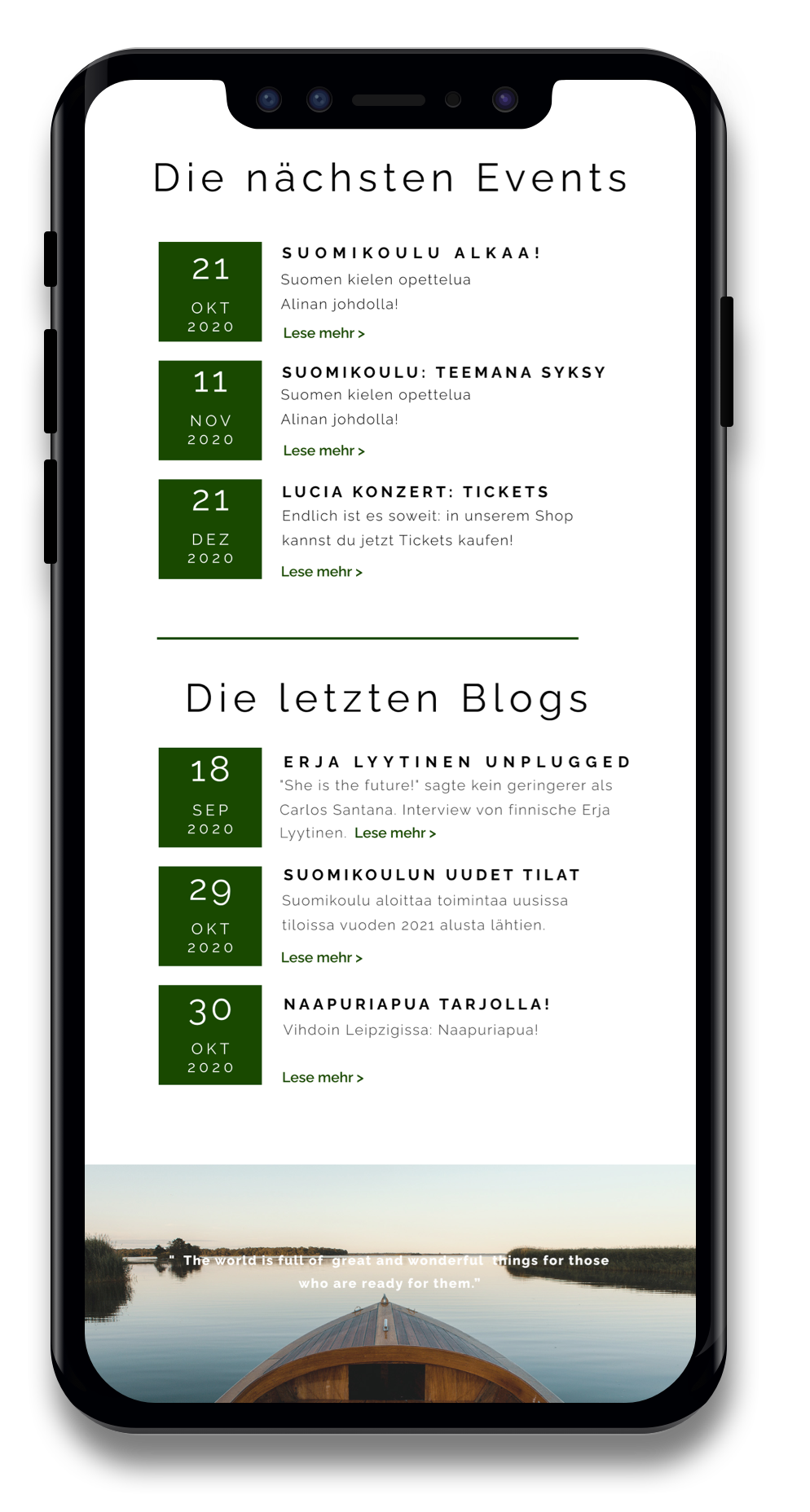
Nordliv is a web-based interface that empowers Nordic expartiate in finding support with the repatriation process to Leipzig, Germany; networking and expertise to multilingual communication. Users can find current events related to Scandinavian culture, new restaurants, shows and also search for job opportunities through cooperation partners. Through interface user can also take language courses and be part of a community that is often missing when the rest of the family stays at homecountry.
Educational Content
To help Nordics with continuing professional education, we worked with Suomi-Seura to produce educational blogposts and podcasts. The Blogposts are for example online streaming videos or informative know-how to support family multilingualism. They cover different aspects of Nordic living and range from introductory content to in-depth clinical studies. Podcasts can be used to interview an artist performing in Leipzig, for example, and thereby increase media visibility.
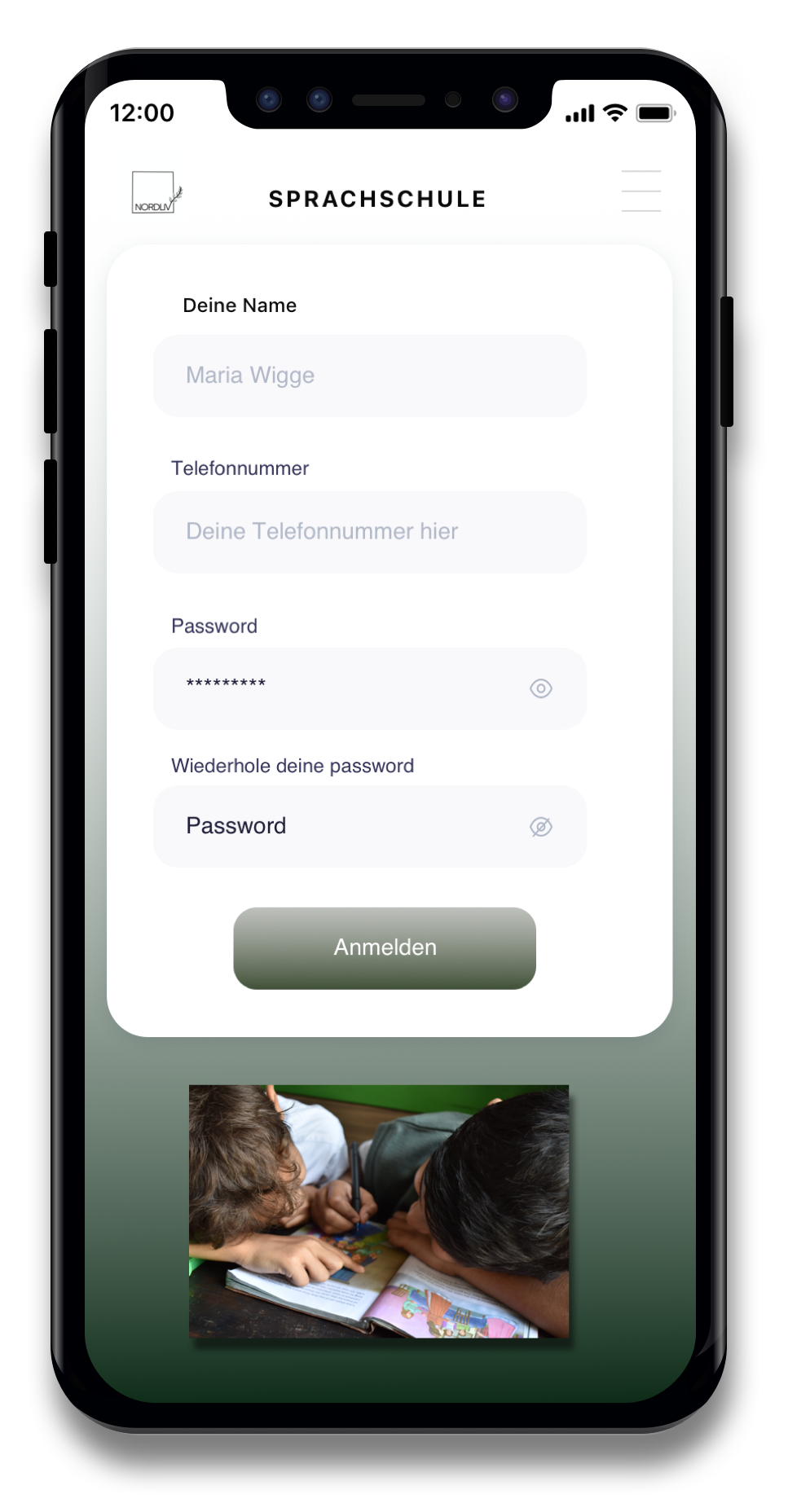
Language Schools
Suomi and Utland Schools are language schools online/ offline where students attend during their free time. They teach expatriate children and teens Finnish (or Swedish, Norwegian, Danish) language and culture. There are about 140 Suomi Schools around the world, attended by more than 4,000 students. The Finland Society serves Suomi Schools by, for instance, distributing grants for school activities and various events and purchases.
Neighbor Help
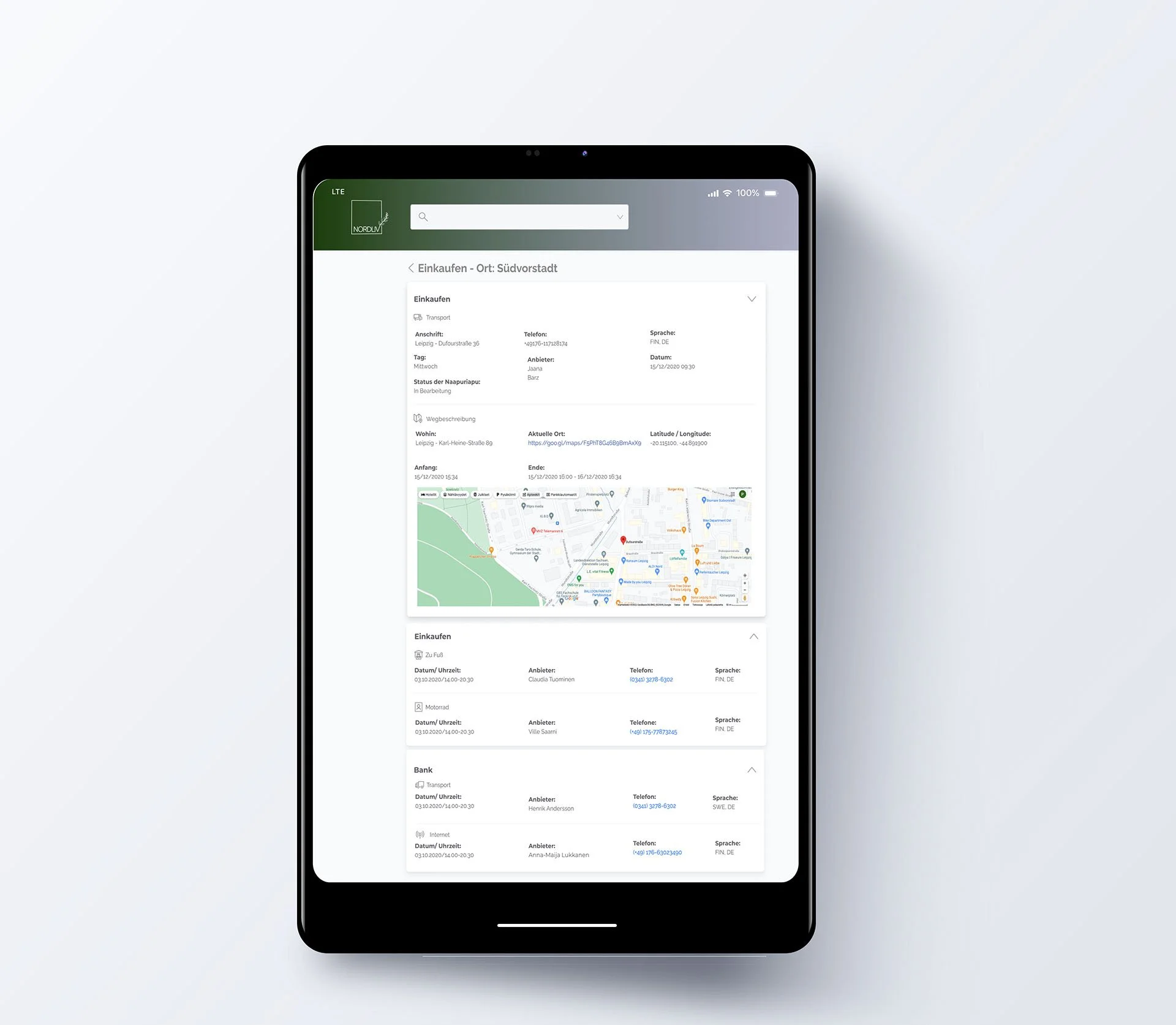
We also developed a NEED HELP?-programme, where users in Leipzig Area can search for help that suits best for their needs and can also sign up themselves to afford help. We developed the search to accommodate Nordics difference in experience and use of terminology. The Neighbour help- search allows the user to start off with a simple keyword representing a particular item e.g ‘ grocery shopping ‘ or a multitude of items e.g ‘Bank’. If the user searches for a particular help of other users, the search will return results of related user that the person asking for help could also need.
IMPACT
10,000 VISITORS PER MONTH
Since launching the new Nordliv website and the Neighbour help service in 2020, their profile, user engagement and reach has grown substantially—helping to transform the Nordliv Accossation into the important interface for the unique expert and service organisation for expatriate Nordics. One year on from launch.
Unique visitors grew by
213%
Average monthly site visits increased by
73%
Newsletter subscription
152%